

Quick Answer
There is no single perfect age to start planning for long-term care, but waiting until you actually need care can significantly limit your options.
For many people, the conversation becomes especially important during their 50s and early 60s, when retirement planning becomes more detailed and there may still be time to evaluate different ways to prepare financially for future care.
The goal isn’t to predict whether you will need long-term care. It is to decide how you would want a future care need handled financially, where you would prefer to receive care, and how you can protect your retirement and your family if circumstances change.
When Should Long-Term Care Planning Begin?
I often remind clients that long-term care planning is very different from needing long-term care.
You don’t wait until retirement to create a retirement plan.
And ideally, you don’t wait until you need assistance to start thinking about long-term care.
Planning earlier gives you something extremely valuable:
Options.
You have more time to understand potential costs, evaluate your financial resources, talk with your family, consider insurance strategies when appropriate, and incorporate potential care expenses into your retirement plan.
Once a health event occurs, some of those choices may become more limited.
That’s why I believe the best time to start the conversation is while you still have the flexibility to plan.
Is Your 50s Too Early to Think About Long-Term Care?
For many people, their 50s can actually be a very reasonable time to begin the conversation.
This doesn’t mean you need to assume you’ll eventually live in a nursing facility or immediately purchase a particular product.
It simply means including long-term care in your broader financial planning.
Your 50s are often when several important financial questions begin coming into focus:
- When do I want to retire?
- How much retirement income will I need?
- Have I saved enough?
- When should I claim Social Security?
- What will healthcare cost?
- Should I pay off my mortgage?
- What do I want to leave my children?
- How will my spouse be protected?
- What happens if one of us needs care?
That last question belongs in the retirement conversation with all the others.

Why Your 60s Are an Important Planning Period
By your 60s, retirement may no longer feel like a distant goal.
You may be preparing to leave your career, evaluating Social Security, enrolling in Medicare, reviewing investments, or deciding how your retirement accounts will eventually produce income.
This is also an excellent time to ask:
What happens to this plan if my health changes?
Your retirement plan may work perfectly based on your expected lifestyle expenses.
But what happens if you suddenly need additional help at home?
What if your spouse needs assisted living?
What if one of you eventually requires memory care?
These aren’t pleasant scenarios to imagine, but ignoring them doesn’t remove the financial risk.
Planning gives you an opportunity to decide how those expenses might be handled before they occur.
Can You Wait Until Your 70s?
You can certainly continue planning and making financial decisions in your 70s.
But I wouldn’t intentionally wait until then to begin thinking about long-term care.
As you age, health circumstances can change.
Some financial or insurance options may also become more limited or expensive depending on individual circumstances.
More importantly, waiting means you may reach retirement without understanding how a significant care expense would affect your income strategy.
I’d rather see someone enter retirement already knowing:
“If something happens, here’s how we plan to respond.”
That doesn’t eliminate uncertainty.
It creates preparedness.

Why Waiting Until You Need Care Can Be Risky
One of the most difficult times to make financial decisions is during a family health crisis.
Imagine that a parent or spouse suddenly needs substantial assistance.
The family may simultaneously be trying to determine:
Where will they live?
Who will provide care?
How much will it cost?
Which facility is appropriate?
Who will manage their finances?
What will insurance cover?
Which accounts should pay for care?
Can the spouse afford to remain at home?
What happens to the retirement plan?
Those are significant decisions to make under emotional pressure.
Planning ahead allows you to address many of them while you have time to think carefully.
Long-Term Care Planning Is Not Just About Buying Insurance
This is an important distinction.
When people hear “long-term care planning,” they sometimes immediately think:
Long-term care insurance.
Insurance may be one potential tool for some people, but it isn’t the entire strategy.
A comprehensive long-term care conversation can include:
- Retirement assets
- Brokerage accounts
- Cash reserves
- Retirement income
- Insurance
- Home equity
- Estate planning
- Family resources
- Healthcare preferences
- Your spouse’s financial security
Some people may choose to transfer some risk through insurance.
Others may have sufficient assets to consider self-funding.
Still others may use a combination of strategies.
The appropriate approach depends on your financial situation, health, goals, and priorities.
My guide to planning your long-term care options explores the broader decisions involved.
How Much Could Long-Term Care Affect Your Retirement?
Potentially, quite a bit.
Long-term care can create a new expense at a time when you are no longer earning employment income.
If those costs are paid from retirement assets, they could change the amount of money available for the remainder of your retirement.
The impact depends on factors such as:
- The type of care
- How frequently care is needed
- How long care lasts
- Where care is provided
- Your income
- Your savings and investments
- Insurance coverage
- Your family circumstances
That’s why I don’t think planning should be based on one arbitrary cost estimate.
Instead, ask:
What would happen to my financial plan if I needed care for several years?
I discuss this question further in How Much Does Long-Term Care Cost in San Diego?.

Don’t Assume Medicare Will Take Care of Everything
Another reason to begin planning early is that Medicare is often misunderstood.
Medicare can provide important healthcare coverage during retirement, but it generally does not pay for ongoing custodial long-term care.
That means simply reaching Medicare eligibility doesn’t eliminate the need for a long-term care strategy.
I’ve explained this distinction in detail in Does Medicare Pay for Long-Term Care?.
Understanding the gap early gives you more time to decide how you want to prepare for it.
Long-Term Care Planning for Married Couples
For couples, I believe this conversation is particularly important.
It’s easy to think about whether you could afford care.
But consider what happens if only one spouse needs it.
The healthy spouse may still need money for:
- Housing
- Food
- Transportation
- Healthcare
- Taxes
- Insurance
- Travel
- Everyday living expenses
Meanwhile, the other spouse may suddenly have substantial additional care expenses.
You don’t want solving one spouse’s care problem to unintentionally create a financial problem for the other.
A good plan considers both people.
What About People With Significant Assets?
Having accumulated substantial wealth does not make long-term care planning unnecessary.
In some ways, it makes the planning conversation even more important.
You may be financially capable of paying for care yourself.
But that doesn’t automatically mean withdrawing money from whichever account is most convenient is the best strategy.
You may need to consider how those withdrawals interact with:
- Taxes
- Portfolio strategy
- Retirement income
- Estate planning
- Your spouse
- Legacy goals
- Other financial obligations
The question becomes less about whether you can pay and more about how you want your resources used.
What If I Want to Stay in My Home?
Many people I speak with would prefer to age in place.
If that’s important to you, include it in your planning.
Remaining at home may eventually require services such as personal assistance, transportation, meal preparation, housekeeping, mobility support, or supervision.
The amount of help required can also change over time.
Knowing that staying home is a priority allows you to consider what financial resources might be needed to make that possible.
This is why long-term care planning is ultimately about more than money.
It’s also about the kind of choices you want to have.
Talk to Your Family Before There Is a Crisis
Finances aren’t the only reason to plan early.
Long-term care can affect the entire family.
Adult children may assume caregiving responsibilities.
A spouse may become the primary caregiver.
Family members may disagree about where care should be provided or how it should be paid for.
Talking about your preferences ahead of time can make those conversations easier.
Consider discussing:
- Where you’d prefer to receive care
- Who you’d want involved in decisions
- What financial resources are available
- Who manages financial matters if you cannot
- Your expectations of family members
- Your priorities regarding independence and quality of life
I’ve written more about this in How Long-Term Care Affects Families, one of the site’s existing long-term-care resources.
Include Long-Term Care in Your Retirement Planning
Long-term care shouldn’t exist in its own financial silo.
It belongs inside your broader retirement strategy.
When I help clients with retirement planning in San Diego, we’re not simply asking how large someone’s portfolio is.
We’re looking at the life those assets need to support.
That means considering retirement income, taxes, portfolio, Social Security, healthcare, family priorities, longevity, and the unexpected.
Potential long-term care needs fit naturally into that conversation.
Your Retirement Income Strategy Should Be Able to Adapt
One of the realities of retirement is that your expenses can change.
You might spend more on travel during your early retirement years.
Later, healthcare expenses may increase.
Housing needs may change.
And at some point, assistance with everyday activities may become necessary.
That’s why retirement income planning shouldn’t focus exclusively on your first few years of retirement.
Your financial strategy may need to support you for decades.
Building flexibility into that strategy can help you respond when life doesn’t unfold exactly as expected.
How a Fiduciary Advisor Can Help You Think Through Long-Term Care
There is no universal age, dollar amount, insurance policy, or long-term care strategy that is right for everyone.
That’s why this needs to be an individual planning conversation.
As a fiduciary financial advisor in San Diego, I help clients evaluate financial decisions in the context of their complete financial picture.
For long-term care, that means asking how a future care need could interact with retirement income, investments, taxes, insurance, family priorities, and legacy goals.
The objective isn’t to create fear about what might happen.
It’s to create a plan with enough flexibility to respond if it does.
Recommended Reading: Retirement By Design
I wrote Retirement By Design: How To Avoid Running Out of Money and Create the Income You Need, To Live the Way You Want! because retirement planning isn’t simply about reaching a certain account balance.
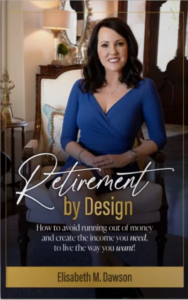
It’s about creating a financial strategy for the life you want to live.
That includes preparing for changes you may encounter along the way.
Learn more about Retirement By Design.
So, What Is the Best Age to Start Planning?
There isn’t one age that applies to everyone.
But I would rather see someone start the conversation a little early than several years too late.
Your 50s and early 60s can be a particularly valuable planning window because retirement is becoming more tangible while you may still have time to evaluate multiple strategies.
If you’re already beyond that age, that doesn’t mean you’ve missed your opportunity.
It simply means the best time to begin the conversation may be now.
The purpose of long-term care planning isn’t to predict whether you’ll need care.
It’s to make sure that if you do, you and your family have thought about what happens next.

Let’s Talk
If you are preparing for retirement and wondering how long-term care should fit into your financial plan, I would be happy to help you think through the bigger picture.
If you are exploring what it looks like to work with a San Diego fiduciary advisor, I invite you to schedule a complimentary consultation.
Elisabeth Dawson
619-640-2622
San Diego, CA 92108
FAQs
What is the best age to start planning for long-term care?
There isn’t one ideal age for everyone. For many people, their 50s or early 60s can be a useful time to begin evaluating long-term care as part of retirement planning, before a care need occurs and while more planning options may be available.
Is 50 too early to think about long-term care?
Not necessarily. Your 50s can be a good time to begin discussing potential future care costs, your preferences, available financial resources, and how long-term care could affect your retirement strategy.
Is 60 too late to plan for long-term care?
No. Your 60s can still be an important planning period, particularly as retirement, Medicare, Social Security, and retirement-income decisions become more immediate.
Can I plan for long-term care without buying insurance?
Yes. Long-term care planning is broader than insurance. A strategy may consider savings, portfolio, retirement income, insurance, home equity, family resources, estate planning, and other financial resources.
Why shouldn’t I wait until I need long-term care?
Waiting until care is needed can reduce your options and force important financial and family decisions to be made during a stressful health event. Planning earlier gives you more time to evaluate potential strategies.
Should couples plan for long-term care together?
Yes. If one spouse requires care, the financial consequences can affect both spouses. A plan should consider the cost of care while also protecting the healthy spouse’s ongoing income and lifestyle needs.
Should long-term care be part of my retirement plan?
Potential care expenses can affect retirement income, investments, taxes, family members, housing decisions, and estate goals. Considering long-term care within the broader retirement plan can help prepare for those possibilities.