

Quick Answer
There is no single percentage or dollar amount that works for every retiree.
The amount you can safely spend in retirement depends on several factors, including your income sources, account balances, taxes, inflation, healthcare-related expenses, longevity, spending goals, and overall financial plan.
Rather than relying on a generic rule of thumb, your retirement spending strategy should be personalized to your life and flexible enough to adjust as circumstances change.
A written retirement income plan can help you understand where your income will come from, how your savings may be used, and whether your strategy is designed to support your lifestyle over time while helping reduce the risk of running out of money.
Retirement Turns Spending Into a Strategy
One of the most common concerns I hear from people approaching retirement is:
“How much can I safely spend each year without worrying about running out of money?”
It is an important question because retirement changes the way you think about money.
During your working years, your paycheck usually covers most of your expenses. In retirement, that paycheck may need to be replaced by a combination of savings, retirement accounts, Social Security, pension income, rental income, business income, or other assets.
That transition is why retirement planning is about much more than simply accumulating money.
It is about creating dependable income that can support your lifestyle not just in the first few years of retirement, but throughout your entire retirement.
The goal is not to spend as little as possible out of fear. The goal is to understand what you can spend with greater confidence, while still protecting your long-term financial security.
There Isn’t a Universal Withdrawal Rule
You have probably heard about the “4% Rule.”
While it has been widely discussed for years, I do not believe retirement spending should be based on a single percentage.
Every retirement is different.
Important factors include:
- Your retirement age
- Expected longevity
- Account allocation
- Inflation
- Social Security timing
- Pension income
- Healthcare-related expenses
- Taxes
- Spending goals
- Long-term care considerations
- Legacy objectives
What works well for one family may not be appropriate for another.
That is why retirement spending should be based on a personalized strategy rather than a general guideline. A thoughtful plan should consider how your income needs, taxes, account withdrawals, market risk, and personal goals may change over time.
Retirement Income Comes From Multiple Sources
Many retirees do not rely on just one source of income.
Instead, retirement income may come from several places, such as:
- Social Security benefits
- Employer pensions
- Traditional IRAs
- Roth IRAs
- 401(k) plans
- Taxable brokerage accounts
- Rental income
- Business income
- Part-time employment
- Cash reserves or other savings
One of the most important parts of retirement planning is determining how these income sources will work together.
That often means answering questions such as:
- Which accounts should be used first?
- Which accounts should be preserved for later?
- How will withdrawals affect taxes?
- When should Social Security begin?
- How will required minimum distributions fit into the plan?
- How can income remain flexible if expenses change?
These decisions can have a significant impact on how long your retirement income lasts and how confidently you can use your money.
A thoughtful retirement income plan helps give each income source a clear purpose, so your accounts are not being used randomly or reactively. Instead, they are coordinated around your lifestyle, tax picture, timeline, and long-term financial goals.

Inflation Can Quietly Reduce Your Purchasing Power
One of the biggest retirement risks is not always the stock market.
It’s inflation.
Even moderate inflation can gradually increase the cost of everyday expenses, including:
- Healthcare-related costs
- Housing
- Insurance
- Utilities
- Groceries
- Travel
- Everyday living expenses
That means someone retiring today may need significantly more income twenty years from now just to maintain the same lifestyle they enjoyed during the first year of retirement.
This is one reason I encourage clients to think about retirement over several decades, not just the first few years.
A retirement strategy should balance today’s income needs with tomorrow’s purchasing power. The goal is not only to generate income now, but also to ensure that income continues to support your lifestyle as costs rise over time.
Longevity Changes the Conversation
Living longer is a gift, but it also changes the conversation about retirement planning.
For many people, retirement may last:
- 20 years
- 25 years
- 30 years
- Or even longer
That means your retirement income may need to support decades of living expenses, healthcare-related costs, inflation, taxes, and unexpected changes.
This is why spending decisions should be made with both today’s lifestyle and tomorrow’s needs in mind.
A strong retirement plan should help you understand not only whether you can afford to retire, but whether your income strategy is built to last throughout your lifetime.
Flexibility Can Be Just as Important as Growth
Many people assume retirement success depends entirely on market performance.
In reality, flexibility often plays a major role.
Some years may include:
- Major travel
- Home renovations
- Helping children or grandchildren
- Medical expenses
- Long-term care needs
- Market volatility
- Changes in taxes or income needs
A written retirement plan allows adjustments to be made thoughtfully rather than emotionally.
Instead of reacting to every market headline or unexpected expense, retirees can make spending decisions within the framework of their long-term financial strategy.
That flexibility can be powerful. It gives you more room to adapt when life changes, while still keeping your retirement income plan focused on the bigger picture.

Taxes Can Affect How Much You Can Spend
Retirement spending is not only about account balances or market returns.
Taxes matter too.
Depending on where your income comes from, withdrawals may create very different tax consequences. Money from a traditional IRA or 401(k) is generally taxed differently than qualified Roth withdrawals or funds from a taxable account.
That is why retirement spending decisions should be coordinated with tax planning.
Questions to consider include:
- Which accounts should be withdrawn from first?
- How much taxable income will withdrawals create?
- Could withdrawals affect Medicare-related premiums?
- Will Social Security benefits become taxable?
- Would Roth conversions or other tax strategies make sense?
- How can retirement income be created more tax efficiently?
These are important planning opportunities that many people overlook.
The goal is not simply to pay the lowest tax bill in one year. The goal is to make thoughtful decisions that help support your retirement income over time.
A Written Retirement Income Plan Creates Confidence
One of the greatest benefits of retirement planning is having a written strategy.
Rather than guessing how much you can spend each year, a written plan provides a roadmap you can review and update as circumstances change.
A comprehensive retirement income planning strategy often includes:
- Income projections
- Withdrawal strategies
- Tax planning
- Account coordination
- Inflation assumptions
- Long-term care considerations
- Social Security timing
- Long-term spending goals
When these pieces work together, retirement decisions often become much less stressful.
A written plan can help you understand where your income may come from, how your accounts may be used, what risks to consider, and how your spending strategy can adapt over time.
Retirement Planning Is About More Than Numbers
Many people believe retirement planning is simply calculating how much money they need.
I see it differently.
Retirement planning is about creating the life you want your finances to support.
A thoughtful retirement planning in San Diego approach helps connect:
- Income
- Account withdrawals
- Taxes
- Long-term care considerations
- Estate planning
- Lifestyle goals
- Long-term financial security
Instead of focusing only on account balances, we focus on helping clients understand how their money can support the retirement they actually want to live.
That may include travel, family, charitable giving, more time at home, new experiences, or simply the peace of mind that comes from knowing there is a plan.
Why Working With a Fiduciary Can Help
Every retirement is unique.
That is why personalized guidance is so valuable.
As a fiduciary financial advisor in San Diego, I help clients evaluate how retirement income, taxes, account withdrawals, long-term care considerations, Social Security, legacy goals, and personal priorities fit together into one coordinated strategy.
Rather than recommending one withdrawal percentage for everyone, I believe retirement planning should reflect each client’s individual goals, concerns, and financial circumstances.
The right spending strategy is not just about how much you can withdraw this year. It is about creating a plan that helps your income support your lifestyle throughout retirement.
Recommended Reading: Retirement By Design
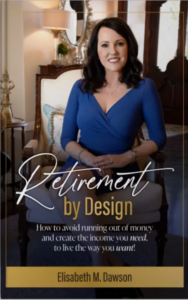
One of the biggest themes in my book, Retirement By Design: How To Avoid Running Out of Money and Create the Income You Need, To Live the Way You Want!, is that retirement isn’t about accumulating the largest account balance.
It’s about creating dependable income that allows you to live the retirement you’ve worked so hard to build.
In the book, you’ll learn about:
- The biggest threats to retirement
- Inflation and purchasing power
- Retirement income planning
- Tax-efficient strategies
- Avoiding unnecessary financial mistakes
- Creating greater confidence throughout retirement
Learn more here:
Creating a Retirement Spending Strategy That Can Last
There is not one “safe” retirement spending amount that works for everyone.
The right strategy depends on your income sources, account balances, taxes, inflation, healthcare-related expenses, longevity, lifestyle goals, and overall financial plan.
Rather than relying on generic retirement rules, I encourage individuals to build a personalized retirement income plan that provides structure and flexibility as life changes.
A thoughtful strategy can help you understand what you can spend, where your income may come from, how your accounts may be used, and what adjustments may be needed over time.
The goal is not to live in fear of running out of money. The goal is to enjoy retirement with greater confidence because your spending decisions are supported by a plan.
How much you can comfortably spend is ultimately part of a much larger picture. Personalized retirement planning can help bring together your income sources, taxes, investments, inflation, longevity, and lifestyle goals so your spending decisions are based on your overall financial strategy rather than a single rule of thumb.

Let’s Talk
If you are wondering how much you can safely spend in retirement or whether your current retirement income strategy is sustainable, I would be happy to help.
Schedule your complimentary consultation to discuss your retirement goals and create a strategy designed around your income needs, lifestyle, and long-term financial picture.
FAQs
How much can I safely spend in retirement?
There is no universal retirement spending amount that works for everyone. Your safe spending strategy should be based on your income sources, account balances, taxes, inflation, healthcare-related costs, longevity, and long-term financial goals.
Is the 4% rule still a good retirement strategy?
The 4% rule can be a helpful starting point, but it may not be appropriate for every retiree. Many people benefit from a personalized retirement income strategy that reflects their income needs, tax situation, market risk, lifestyle goals, and retirement timeline.
How does inflation affect retirement spending?
Inflation increases the cost of goods and services over time, which can reduce the purchasing power of your retirement income. A retirement plan should account for rising expenses so your income strategy can better support your lifestyle throughout retirement.
Why is retirement income planning important?
Retirement income planning helps coordinate account withdrawals, Social Security, pensions, taxes, inflation, long-term care considerations, and other income sources into one strategy. The goal is to create dependable income that can support your lifestyle over time.
Why should I work with a fiduciary when planning retirement?
A fiduciary financial advisor is legally obligated to act in your best interests. Working with a fiduciary can help you coordinate retirement income, taxes, account withdrawals, long-term care considerations, Social Security, and long-term financial goals into one comprehensive plan.