

Quick Answer
One of the biggest retirement risks I discuss with clients is not always the stock market. It is inflation.
Even modest inflation can quietly reduce your purchasing power over time, meaning the same income may buy less in the future than it does today. Everyday expenses such as groceries, housing, insurance, utilities, and healthcare can become more expensive, putting more pressure on your retirement income.
That is why a successful retirement strategy should look beyond account balances and investment returns. It should also consider how your income may need to grow, adjust, and remain dependable throughout retirement.
Inflation Doesn’t Stop When You Retire
One of the biggest misconceptions I hear is that financial planning becomes simpler once someone retires.
In reality, retirement often introduces a new set of challenges — and inflation is one of the most important ones to plan for.
Even if inflation averages only a few percent each year, the impact can add up significantly over a retirement that may last 20, 30, or even 35 years. What feels manageable in the first few years of retirement may look very different decades later if your income does not keep pace with rising costs.
That is why I encourage clients to think beyond today’s expenses and consider what their lifestyle may cost in the future.
Retirement planning is not just about asking, “Can I afford to retire today?” It is also about asking, “Will my income still support my lifestyle years from now?”
The Cost of Living Continues to Rise
Most people notice inflation in obvious places, like the grocery store, gas station, or utility bill.
But inflation can affect nearly every part of retirement, including healthcare costs, insurance premiums, housing expenses, utilities, travel, taxes, and everyday living costs.
These increases may seem small from year to year, but over time, they can place real pressure on retirement income.
That is why inflation deserves to be considered as part of your broader retirement strategy. The goal is not to predict exactly what everything will cost in the future. The goal is to build a plan that is better prepared for rising expenses and gives your income a greater chance of supporting you over time.
Retirement Income Needs to Grow With You
One of the biggest transitions retirement brings is replacing your paycheck.
During your working years, income is usually more predictable. But in retirement, that income may need to come from several different sources, such as retirement accounts, investment portfolios, Social Security, pension benefits, rental income, business income, cash reserves, or other assets.
The challenge is not just creating income at the beginning of retirement. It is making sure your income strategy can continue supporting you as your needs, expenses, and lifestyle change over time.
That is especially important when inflation is part of the equation.
A retirement income plan should consider how rising costs may affect your purchasing power, how different income sources can work together, and how much flexibility you may need in the years ahead.
A personalized approach to retirement income planning can help create a strategy designed to balance today’s income needs with tomorrow’s financial realities, giving you more confidence that your retirement plan can grow with you.
Investments Still Play an Important Role
Many people assume that protecting their money in retirement means moving everything into very conservative investments.
While protecting assets is important, retirement often requires a thoughtful balance between preservation, income, and long-term growth.
That balance matters because inflation does not stop when your paycheck stops. If your retirement strategy is too conservative, your income may not have enough opportunity to keep pace with rising costs over time.
At the same time, taking on too much market risk can create stress and uncertainty, especially when you are relying on your assets for income.
That is why retirement planning should be personalized. Your investment strategy should reflect your income needs, timeline, risk tolerance, lifestyle goals, and desire for long-term financial confidence. There is no one-size-fits-all formula.
Healthcare Costs Deserve Special Attention
Healthcare-related expenses can become a major part of retirement planning, especially as needs change over time.
While we do not replace the role of Medicare specialists or health insurance professionals, we do help clients think through how future healthcare costs may fit into their overall retirement income plan.
This may include planning for rising out-of-pocket costs, prescription expenses, insurance premiums, and especially long-term care.
Long-term care deserves particular attention because the cost of care can significantly affect retirement income, savings, family members, and legacy goals if no plan is in place.
Planning for these potential expenses before retirement begins can create more flexibility and better prepare your overall retirement strategy for the realities of aging, changing health needs, and rising costs.
A well-designed retirement plan should account for inflation from the beginning, considering how rising costs may affect your income needs, investments, healthcare expenses, and lifestyle throughout retirement.

Inflation Makes Tax Planning More Important
Inflation does not only affect what you spend. It can also influence how your retirement income should be managed.
As costs rise, you may need to withdraw more from your accounts to maintain your lifestyle. Depending on where that income comes from, those withdrawals can affect your tax situation, your investment strategy, and how long your assets may last.
That is why tax planning becomes such an important part of retirement income planning.
Questions we often discuss with clients include:
Which accounts should provide retirement income first?
How could taxes affect withdrawals from different types of accounts?
Would Roth conversions or other tax strategies make sense?
How might future tax changes affect retirement income?
How can different income sources work together in a tax-efficient way?
These conversations can become especially valuable in the years leading up to retirement, when there may still be more flexibility to make thoughtful, informed decisions.
Retirement Planning Should Not Be Set and Forgotten
One thing I have learned over the years is that retirement planning is never completely finished.
Markets change. Tax laws evolve. Inflation rises and falls. Healthcare costs shift. Family needs change. Your goals may change too.
That is why regular reviews are so important.
A retirement plan should be revisited over time to ensure your income strategy, investments, taxes, long-term care considerations, and personal goals are still aligned to support the life you want to live.
For those seeking retirement planning in San Diego, this ongoing review can help bring all the moving pieces together into a comprehensive financial strategy that adjusts as life, markets, and retirement needs change.
Why I Believe Fiduciary Guidance Matters
Retirement planning involves much more than selecting investments.
It requires thoughtful coordination between your income strategy, investment approach, tax considerations, long-term care planning, lifestyle goals, and future financial needs.
As a fiduciary financial advisor in San Diego, I believe my responsibility is to help clients bring those pieces together while always acting in their best interests.
That standard matters. It means every recommendation should be guided by your goals, your concerns, and the retirement you are working hard to create.
For me, fiduciary guidance is not just about managing money. It is about helping clients make informed decisions, prepare for potential challenges, and build a retirement strategy designed to support their life over time.
Recommended Reading: Retirement By Design
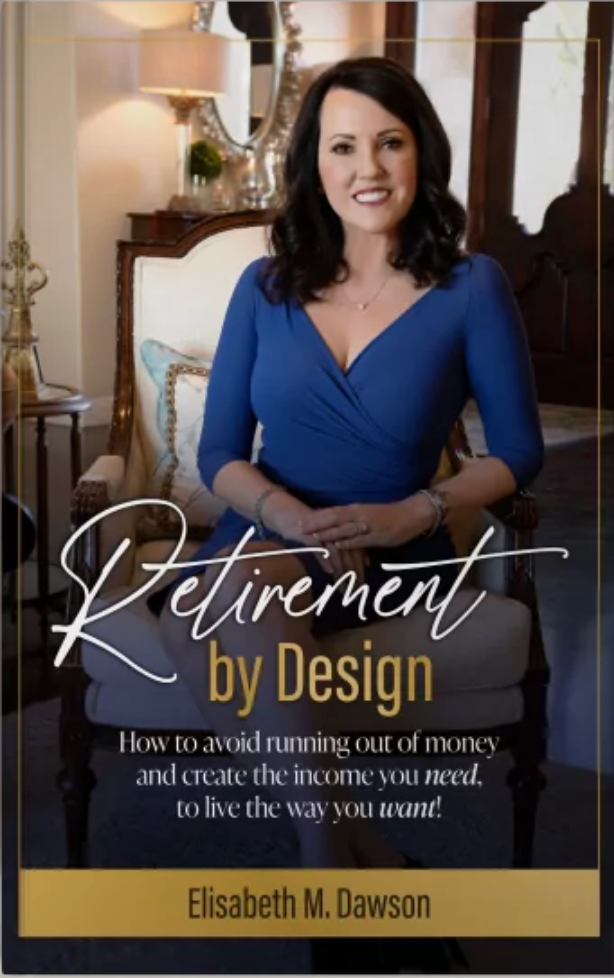
Many of the ideas discussed in this article are explored in my book, Retirement By Design.
I wrote the book to help individuals think differently about retirement. Rather than focusing only on growing wealth, it encourages readers to create a retirement strategy that supports the life they want to live throughout retirement.
Preparing Your Retirement Income for the Future
Inflation is one of the financial realities none of us can completely avoid.
While we cannot control rising prices, we can prepare for them.
A thoughtful retirement strategy should consider how inflation, healthcare-related costs, taxes, investment growth, long-term care needs, and retirement income all work together over time.
The goal is not to predict every future expense perfectly. The goal is to build a plan with enough structure, flexibility, and coordination to help your income keep supporting your lifestyle as life changes.
The earlier you begin planning, the more opportunities you may have to prepare for rising costs and create greater confidence throughout retirement.

Let’s Talk
If you’re wondering how inflation may affect your retirement, I’d love to help you build a personalized financial strategy.
Schedule: Your Free Personalized Consultation
Call: (619) 640-2622
Office:
2333 Camino del Rio S STE 240
San Diego, CA 92108
FAQs
How does inflation affect retirement income?
Inflation increases the cost of goods and services over time, which means your retirement income may not stretch as far in the future as it does today. Even modest inflation can affect everyday expenses like groceries, housing, insurance, utilities, and healthcare-related costs.
Why should inflation be included in retirement planning?
Inflation should be considered because retirement may last 20, 30, or even 35 years. A retirement plan that only focuses on today’s expenses may not fully account for how much income you may need in the future to maintain your lifestyle.
Can investments help offset inflation?
Investments can play an important role in helping retirement assets grow over time, which may help offset the effects of inflation. However, the right strategy depends on your goals, income needs, timeline, and risk tolerance. Retirement planning should balance growth, preservation, income, and long-term confidence.
How often should a retirement plan be reviewed?
A retirement plan should generally be reviewed at least once a year, or whenever there is a major life, financial, tax, market, or health-related change. Regular reviews can help make sure your income strategy, investments, taxes, and long-term goals continue working together.
Why should I work with a fiduciary financial advisor?
Working with a fiduciary financial advisor means receiving guidance from someone who is legally obligated to act in your best interests. A fiduciary can help coordinate retirement planning, retirement income, taxes, investments, long-term care considerations, and other important financial decisions into one comprehensive strategy.